
Lower heating and cooling costs
Insulated walls resist heat flow, so your heater or cooler runs less often to maintain a comfortable temperature. This directly reduces energy use and power bills in Langwarrin’s climate.
Langwarrin Wall Insulation
Wall insulation in Langwarrin stops winter heat loss and summer heat gain through external walls. We install glasswool, polyester and rockwool batts into open stud frames during renovations, extensions or new builds to improve thermal resistance and reduce energy costs.
Share your details and Expert Insulation Melbourne will contact you about Wall Insulation in Langwarrin.
Wall insulation in Langwarrin is fitted between the studs in external walls to slow heat transfer through the frame. It is most practical when walls are open during building work, renovations or extensions. Batts are cut to fit snugly between studs, with no gaps or compression, to achieve the rated R-value. For existing brick veneer or double brick homes, cavity wall insulation may be an option after an on-site assessment.
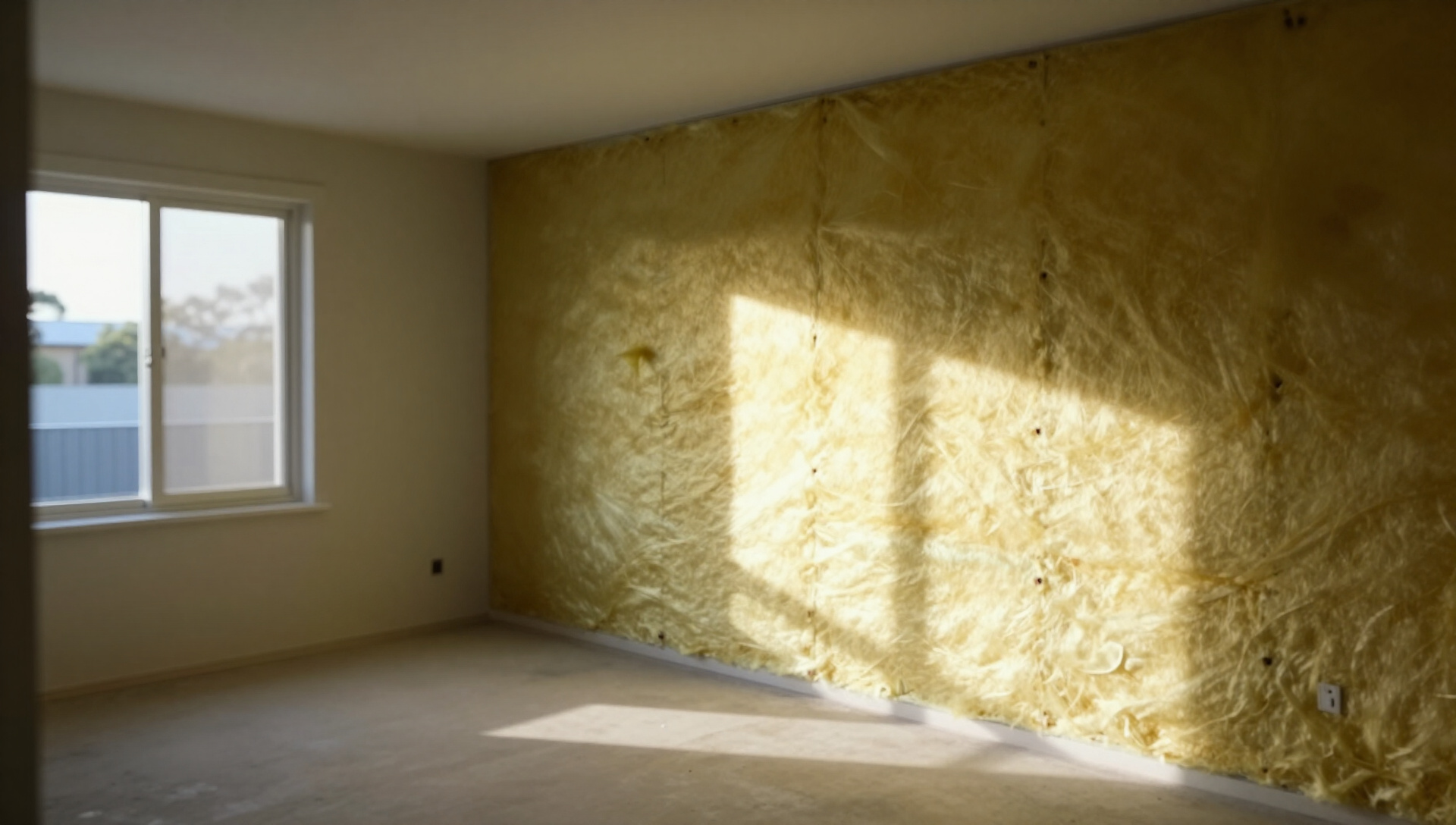
Langwarrin’s cold winters and hot summers make wall insulation a cost-effective upgrade. It reduces the load on heaters and air conditioners, keeps indoor temperatures steadier and cuts energy bills. In newer estates with timber or steel frames, installing batts before lining the walls is straightforward. For older brick homes, cavity filling can be a solution if the wall type allows.
Insulated walls resist heat flow, so your heater or cooler runs less often to maintain a comfortable temperature. This directly reduces energy use and power bills in Langwarrin’s climate.
Bulk insulation in walls slows heat loss in winter and heat gain in summer. Rooms stay warmer in cold snaps and cooler during heatwaves, with fewer cold spots near external walls.
Dense batts absorb airborne sound, so street noise and voices from adjacent rooms are quieter. Acoustic batts in internal walls further improve privacy in open-plan homes.
Batts are sized to fit between 450mm and 600mm stud centres, the common spacing in Australian framing. They are friction-fit with no staples or glue, so there is no damage to the frame.
Glasswool and rockwool are non-combustible and treated to resist moisture. Polyester batts are naturally water-resistant. Proper installation prevents sagging and maintains R-value over time.
Batts suit timber and steel stud frames in new builds and renovations. For existing brick veneer or double brick, cavity wall insulation can be injected if the cavity is dry and accessible.
Wall insulation is installed when the wall frame is exposed, before the lining goes up. The process is clean and quick, with minimal disruption to the rest of the build. For cavity wall insulation in existing homes, we first check the wall type and condition on site.
We measure the stud spacing and wall depth to choose the right batts and R-value. For cavity filling, we inspect the wall for moisture, cracks or unsuitable construction before proceeding.
The frame is checked for plumbing, electrical cables and other services. Batts are cut to fit around obstacles and between studs, with no gaps at the edges or around noggins.
Batts are placed snugly between studs, starting from the bottom and working up. They are not compressed or stapled, so the full thickness is maintained for the rated R-value. Acoustic batts are installed in internal walls where noise reduction is needed.
We ensure all cavities are filled and there are no gaps or compression. The lining is then fixed over the batts. For cavity wall insulation, small holes are drilled and filled, then patched to match the existing wall.
Langwarrin has a mix of newer estates with timber and steel frames and established homes with brick veneer or double brick walls. Wall insulation is straightforward in new builds and renovations where the frame is open. For existing brick homes, cavity wall insulation may be suitable if the cavity is dry and accessible. The area’s exposure to cold winters and hot summers makes wall insulation a practical upgrade for year-round comfort and lower energy use.
Wall insulation in Langwarrin improves thermal comfort and reduces energy costs in new builds and renovations.
Common questions about wall insulation for Langwarrin homes, from cost factors to installation details.
Wall insulation in Langwarrin is a smart investment for homeowners looking to improve thermal comfort and reduce energy bills. By installing batts between studs in external walls, heat transfer through the frame is slowed, keeping homes warmer in winter and cooler in summer. This is particularly effective in Langwarrin, where cold winters and hot summers place high demands on heating and cooling systems.
The most common wall insulation materials are glasswool, polyester and rockwool batts, which are cut to fit snugly between studs. These materials trap still air to provide thermal resistance, with typical R-values for walls ranging from R2.0 to R2.7. Acoustic batts can also be installed in internal walls to reduce noise transfer between rooms, which is useful in open-plan homes and townhouses.
Wall insulation is best installed when the wall frame is exposed, such as during new builds, extensions or major renovations. For existing brick veneer or double brick homes, cavity wall insulation may be an option if the wall type and condition are suitable. An on-site assessment will determine the best approach for your Langwarrin property.
Improve your home’s thermal performance with wall insulation installed by Expert Insulation Melbourne. We work across Langwarrin and surrounding areas.